 World of Warcraft

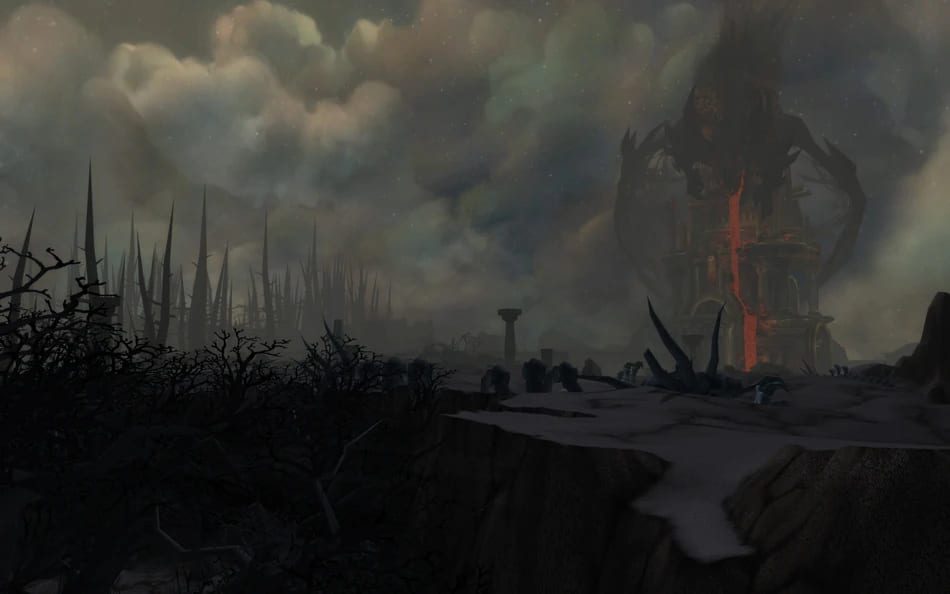
Among the many forces that have risen and fallen across the long and eventful history of Azeroth, few possess a legacy as unsettling as the Twilight’s Hammer. Born from a deep and consuming belief in the inevitable end of all things, the cult has embedded itself into the darkest corners of the world’s history. Its origins lie far from Azeroth, beneath the skies of another planet and within shadowed depths where whispers of the Void first took root. Over time, what began as a fractured gathering of exiles evolved into a far-reaching movement, one that would outlive wars, betray alliances, and reshape itself in response to every upheaval. The Cult of Twilight’s Hammer is not defined by a single leader or moment, but by an unyielding devotion to a vision of cosmic meltdown, carried forward across generations with terrifying resolve.
Whispers Beneath Draenor
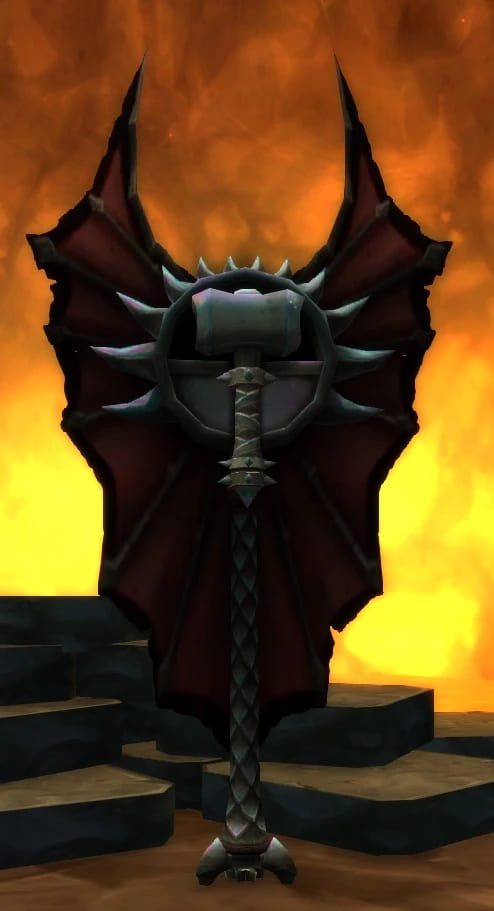
The earliest roots of the Twilight’s Hammer can be traced to the deepest parts of Draenor, where a group of outcast orcs known as the Pale made a dwelling in the shadow of the Oshu’gun (to the southwest Nagrand). There, in the presence of the wounded naaru K’ure, they encountered energies not belonging to the light, but to the Void, residual forces that seeped into their world and shaped their beliefs. Through these whispers, the Pale came to embrace a vision of existence defined by its eventual unraveling.
This philosophy might have remained hidden, confined to the depths, had it not drawn the attention of greater powers. Gul’dan (cheeky bastard strikes yet again), ever in pursuit of strength, sent his apprentice Cho’gall to investigate. What began as a mission of evaluation became something far more transformative. Cho’gall recognized not only the potency of the Pale’s shadow magic, but also the depths their belief had reached upon. By aligning their apocalyptic prophecy with the ambitions of the Horde, he forged a new identity for them, a clan of believers. Thus, the Twilight’s Hammer emerged, bound together by a shared devotion to the coming Hour of Twilight.
Faith Amidst Conquest
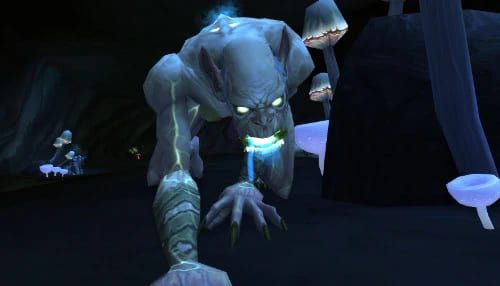
As the orcish Horde advanced into Azeroth, the Twilight’s Hammer marched alongside it, yet always apart in their purpose. Where others wanted land or victory, the Hammer saw only signs of a greater destiny unfolding. Destruction was not a means to an end, but the end itself, a sacred step toward universal oblivion. Under Cho’gall’s guidance, the clan’s chaotic tendencies were given direction. He understood the necessity of discipline as a method of preserving them until the proper moment. This balance allowed the Twilight’s Hammer to function within the Horde while secretly pursuing its own designs.
It was during this time that their connection to deeper, older powers began to solidify. The whispers they had once heard faintly on Draenor grew louder beneath Azeroth’s surface, revealing the presence of the Old Gods. For the Pale, this discovery affirmed everything they believed. For Cho’gall, it marked a turning point, from opportunistic manipulator to a true supporter. Their doctrines were inscribed in flesh and memory, eventually taking form in the Twilight Canticle, a text that preserved their dark philosophy for generations to come.
The Fracture and Transformation of Twilight’s Hammer
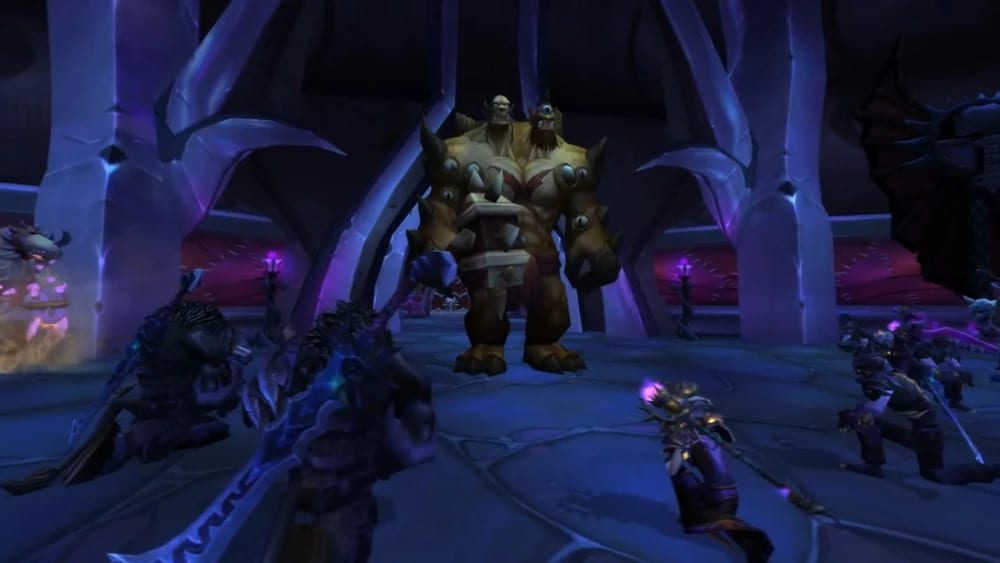
The collapse of the Horde’s early campaigns did not signal the end of the Twilight’s Hammer, but rather its transformation. While other clans were shattered or scattered, the Hammer endured, guided by a vision that extended beyond any single war. Cho’gall’s survival ensured continuity, and his journey to Kalimdor marked the beginning of a new chapter.
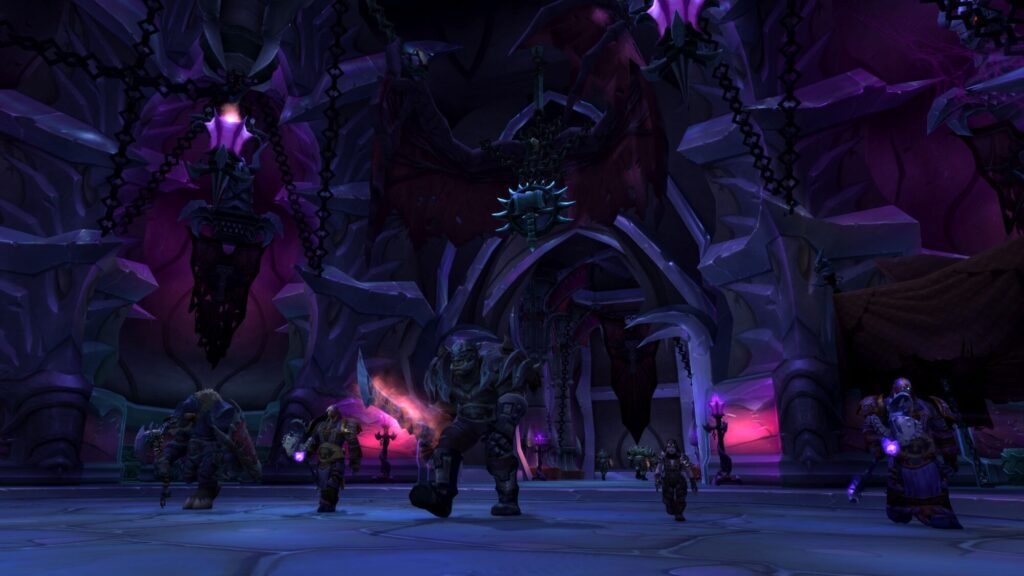
Freed from the constraints of Horde hierarchy, the Twilight’s Hammer evolved into something far larger than an orcish clan. It became a cult in the truest sense, multiracial, ideologically unified, and deeply embedded in the hidden places of the world. Its followers gathered not for conquest, but for communion with the forces they revered. Ancient ruins, elemental nexuses, and sites of buried power became their sanctuaries. Across both Kalimdor and the Eastern Kingdoms, their presence spread quietly. They lingered near the prisons of Old Gods, sought relics infused with elemental or void energy, and cultivated influence within established societies. This adaptability allowed the cult to persevere where other more rigid structures failed.
Shadows Across the World
By the time some later conflicts emerged, the Twilight’s Hammer had become a constant, if often unseen presence. In the frozen continent of Northrend, they were drawn once more to the influence of an Old God known as Yogg-Saron, embedding themselves within the ancient subterranean kingdom of Ahn’kahet, deep within Azjol-Nerub. Their actions suggested not simple opportunism, but an instinctive gravitation toward centers of primordial power.
After the war in Northrend came to an end, their efforts extended into more subtle and insidious pursuits. Attempts to corrupt the holy artifact Light’s Wrath revealed a willingness to reshape even opposing forces into instruments of their will. Even though the plan was a failure in that the Kirin Tor mage Israen managed to recover the artifact and hide it away in Dalaran, this pattern underscored a defining trait of the cult, the ability to reinterpret any power (be it arcane, elemental, or divine) through the lens of its ultimate goal.
Throughout these years, leadership shifted and adapted, yet the underlying doctrine remained unchanged. The Twilight’s Hammer did not rely on a single figure to lead it. Instead, it thrived on shared belief, reinforced by ritual, secrecy, and the ever-present influence of the Old Gods.
The Cataclysm and the Final Gambit
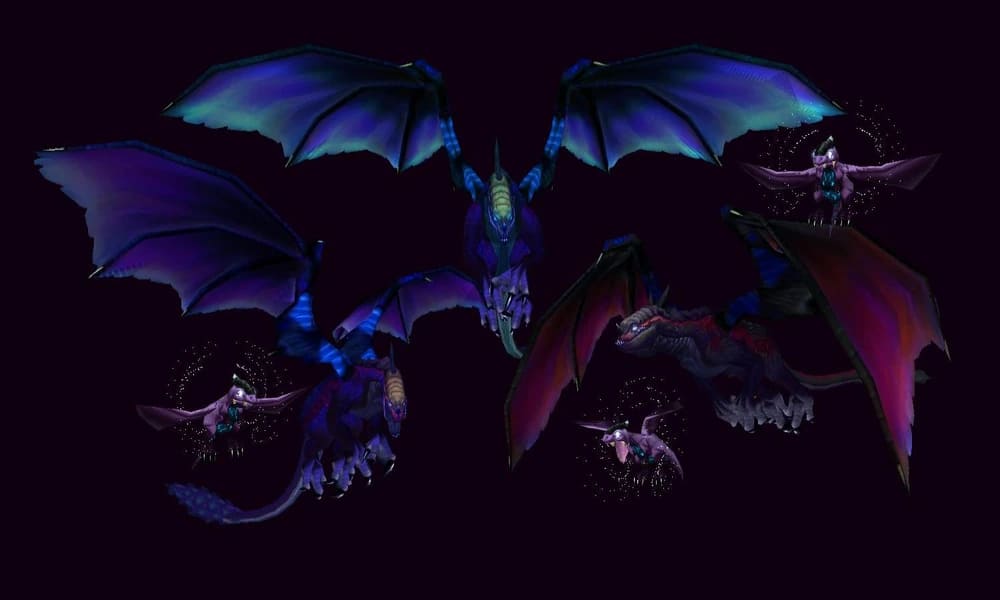
The return of Deathwing marked the closest the Twilight’s Hammer would come to bear fruit to its long-awaited vision. In the shattered wake of the Aspect of Death’s emergence, the cult found both opportunity and purpose. Aligning themselves fully with the corrupted Aspect and the Old Gods he served, they acted as agents of chaos on a global scale. Their activities spanned continents and elements alike. From ancient fortresses reclaimed in ruin (Grim Batol and areas of Twilight Highlands) to elemental planes thrown into chaos (such as Deepholm, Firelands and Vashj’ir), the Twilight’s Hammer worked tirelessly to accelerate the world’s collapse. They forged alliances with beings of fire and shadow, manipulated ancient dragonflights, and sought to unravel the very structures that held Azeroth together.
Yet even at the height of their influence, the cult’s efforts were met with great resistance. The restoration of balance in key locations and the eventual defeat of Deathwing dealt a heavy blow to their ambitions. Their strongholds were broken, their leaders struck down, and their grand design left unfulfilled.
Personal Thoughts on the Twilight’s Hammer
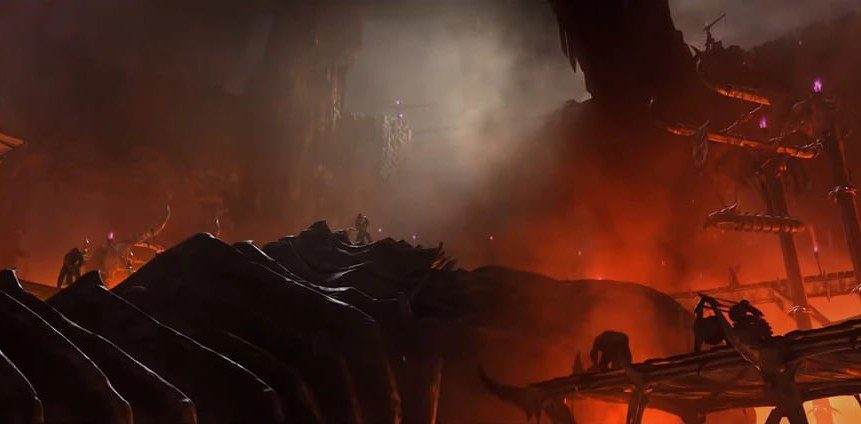
Even though the cult was dealt a mighty blow on the height of its career, the Twilight’s Hammer never truly vanished from existence. It is, after all, not a simple task to bring down a group that has its origins going far far back, even into other planets. Scattered groups of the cult still remain in the shadowy parts of the world, still working towards their shared goal they once agreed upon, and await the coming of the Hour of Twilight. The Twilight’s Hammer is a really cool example for a fantasy cult in my opinion, even if it seems edgy from a surface look. Their shared plans belief isn’t manifested in the form of grand reveals, but made true by the moves they make behind the curtains. The opportunity they once had with the emergence of Deathwing was a great one, but alas, they lost to forces that had the power to level up. But them continuing the work towards the end goal even though they suffered major setbacks is what makes them stick to this world even better. They are always a force to combat against, and it feels good to see them pop up here and there from time to time and remember what they once were, without belittling the belief they still hold.