
 World of Warcraft

In the earliest times of Azeroth, the world belonged to forces far older than the currently known civilizations. The Elemental Lords (sovereigns of fire, air, earth, and water) were not merely the rulers of their domains, but embodiments of raw, unrestrained elemental power. Their dominion was of endless upheaval, where the shaping of the world was driven by conflict rather than proper design. Yet even these primordial powers couldn’t prevent their own subjugation. Greater shadows would descend upon them, reshaping their fate and binding their chaos into a darker purpose. This is the record of their transformation, pride, betrayal, and the long echo of elemental fury that still reverberates through Azeroth’s living world today.
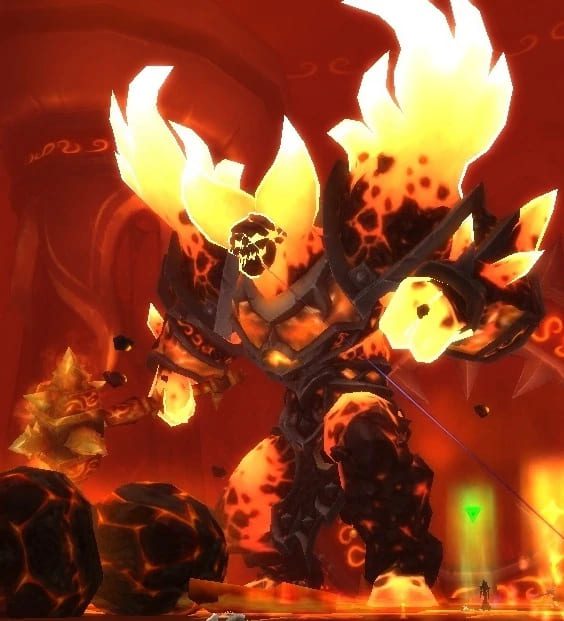
The Unbound Fury of the Elemental Lords
In primordial Azeroth, the balance between the elements was quietly undone by an absence barely understood by later ages. The diminishing presence of Spirit (a fifth element corresponding to the energy inside all living beings, also referred to as Chi) left the elemental forces unbound, their nature sharpened into volatility. What might once have been called balance, has fractured into relentless hostility, and from this fracture arose an age defined by ruin. The Elemental Lords stood at the apex of this storm. Al’Akir the Windlord, ever watchful, spread suspicion among his rivals, preferring manipulation over direct confrontation. Ragnaros the Firelord, by contrast, embodied devastation in its purest form, seeking to melt everything beneath his wrath. Therazane the Stonemother withdrew into the deep places of the world, staying dormant until her enemies faltered, while Neptulon the Lord of Tides moved with patient calculation, allowing this conflict to weaken all of them before delivering his decisive force.
For countless ages, their wars reshaped the surface of Azeroth, a world caught in destruction. Yet for all their power, their rule would prove fragile in the face of a greater arrival.
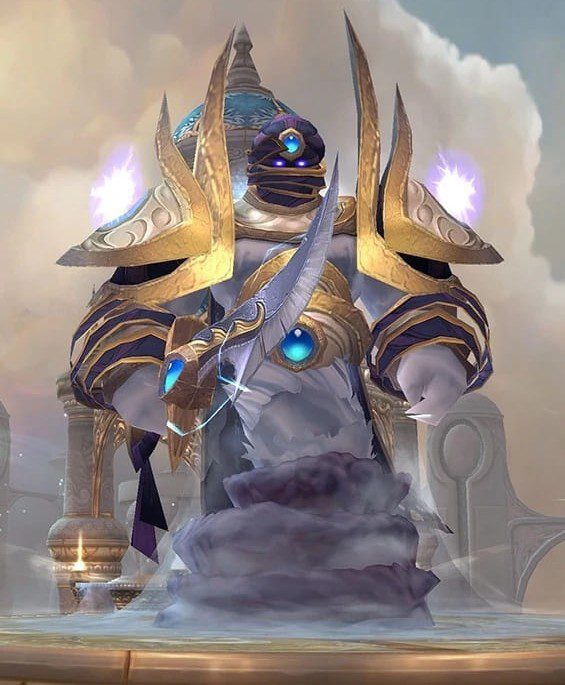
The Coming of the Old Gods
The descent of the Old Gods marked a turning point not only in the history of Azeroth, but in the fate of the Elemental Lords themselves. Crashing into the world from the Great Dark Beyond, these ancient beings brought with them a corruption that spread swiftly across the land, carried by their innumerable servants.
For the first time, the Elemental Lords set aside their rivalries. United by the necessity of survival, they rose against the coming empire, their combined might being a force that might once have reshaped continents. But this unity born of desperation proved insufficient. The endless tide of n’raqi (faceless ones) and aqir wore them down, and one by one, their strength diminished. In defeat, they were not destroyed, but bound. Enslaved by the Old Gods, their power was turned towards sustaining the very dominion they had tried to resist. With these lords subdued, Azeroth itself fell further under the shadow of the Black Empire. Only with the arrival of the titan-forged armies would this darkness be challenged. The Old Gods were cast down and imprisoned, and the Elemental Lords (no longer free agents of chaos) were banished to the Elemental Plane, their domains divided and contained.
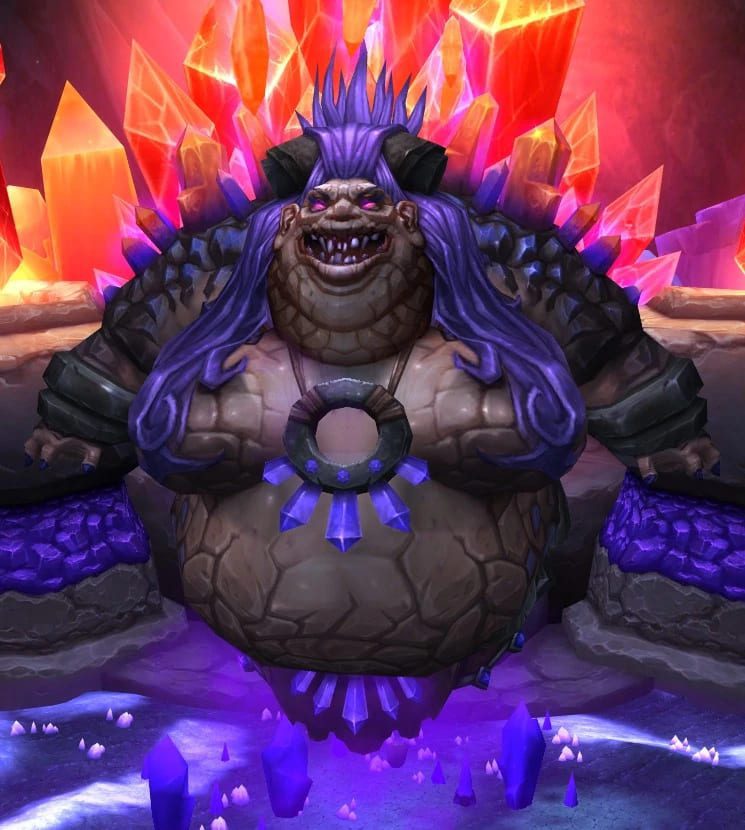
The Sundering of Allegiance
Within the Elemental Plane, their ancient rivalry reignited with a renewed fury. Isolation did not temper their nature, it refined it. Among these renewed conflicts, one betrayal echoed longer than the rest.
Thunderaan, Prince of Air, stood as a being of immense power, yet even he was not beyond treachery. Unaware of the designs set against him, he fell to the combined deceit and force of Ragnaros and his lieutenants. The strike, delivered with precision, shattered his form and left his essence vulnerable. Ragnaros, as always driven by dominance, sought to consume what remained. However, even in defeat, Thunderaan could not be wholly erased. What lingered of his being was bound within a talisman, later divided into two fragments (the Bindings of the Windseeker) and was scattered and guarded as trophies of conquest.
This act was more than a victory. It was a declaration that even among elemental lords, power was fleeting, and trust was a dangerous illusion.
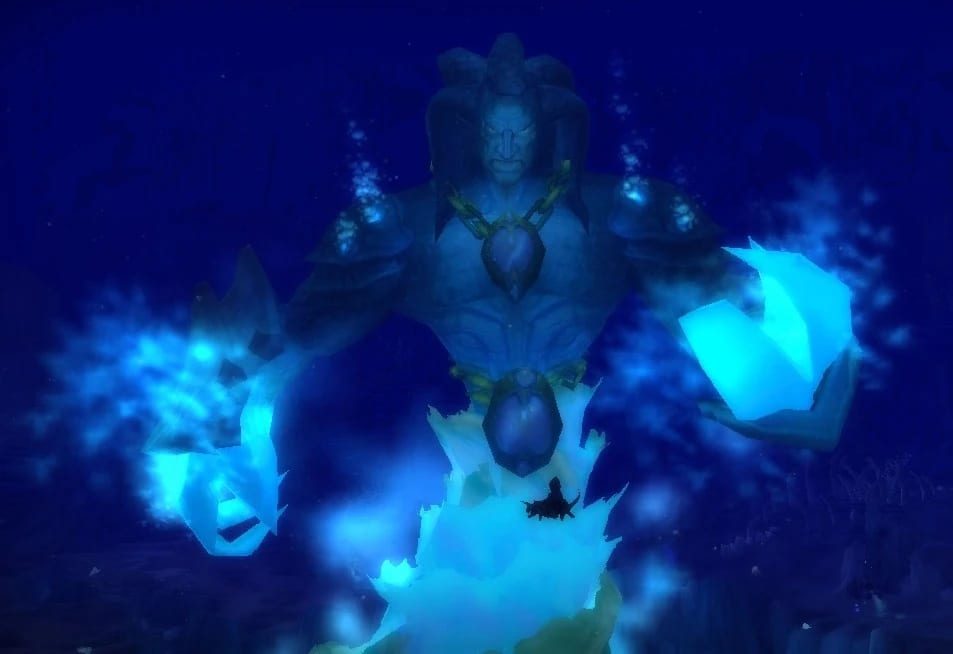
Fire Upon the Mortal World
Though imprisoned, the reach of these Elemental Lords was not entirely severed from Azeroth. Through mortal stupidity and ambition (mostly the first dressed as the second), their influence would once again touch the surface of this world.
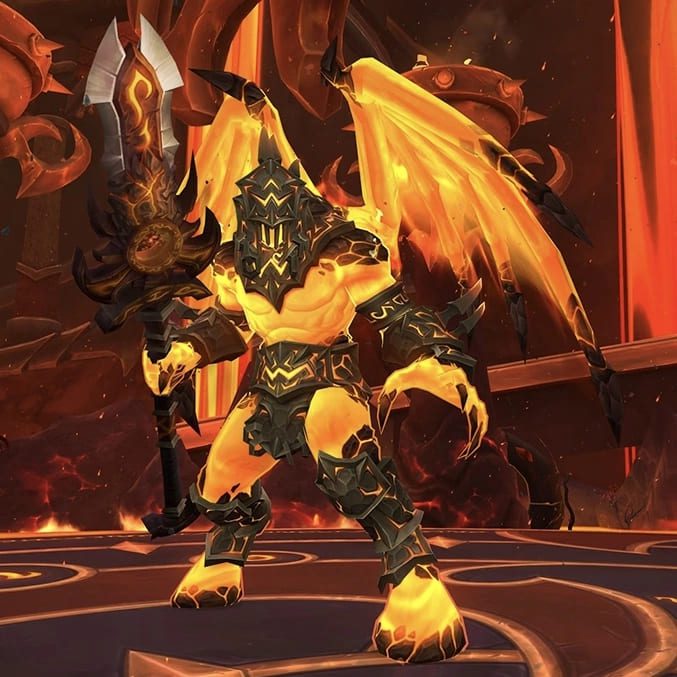
When Sorcerer-Thane Thaurissan sought to summon Ragnaros, it was with the belief that such power could be controlled. Instead, the Firelord emerged as a force beyond command, reshaping the land in a moment of violent rebirth. Mountains split, valleys burned, and Blackrock Mountain rose as a scar upon the world, a monument to the cost of arrogance. From this foothold, Ragnaros waged war not only against mortal kingdoms, but against other rival powers as well, such as the black dragon Nefarian. Elsewhere, Neptulon worked through mortal intermediaries, favoring subtle influence over direct destruction, while agents and cults became extensions of elemental will.
Even in separation, the Elemental Lords found ways to assert their presence over the world, their conflicts bleeding into the lives of those who rarely understood the forces they had awakened.
The Shattered Boundaries
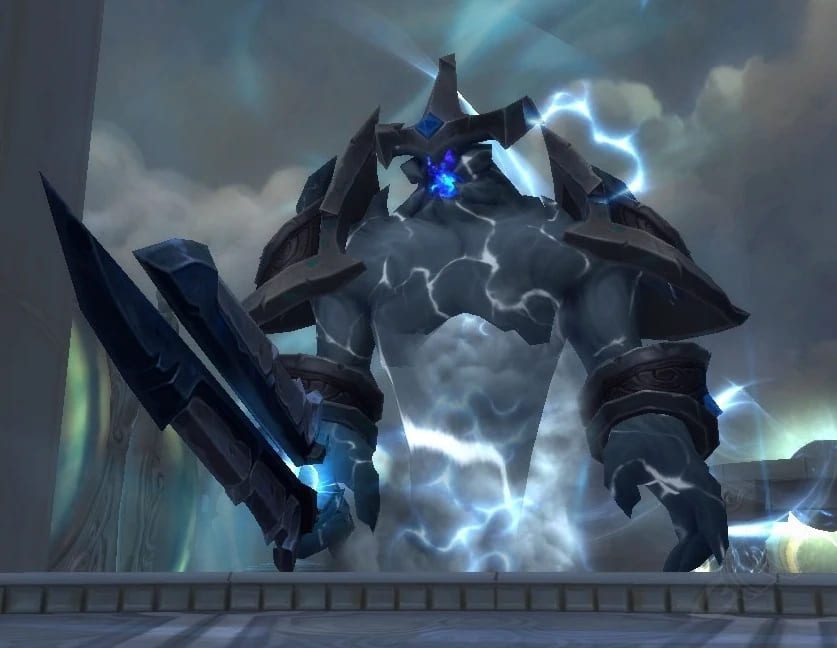
The event known as Cataclysm marked the moment when the barriers between worlds gave way. With Deathwing’s emergence, the Elemental Plane fractured, spilling its domains into Azeroth itself. Ragnaros and Al’Akir aligned themselves with Deathwing, lending their strength to a world already on the brink of destruction. Their assaults were relentless, from the burning slopes of Mount Hyjal to the storm-wracked skies of Uldum. Yet resistance rose to meet them, and in time, both fell, Ragnaros within the Firelands, and Al’Akir in the heart of Skywall. Neptulon and Therazane, contrary to the other lords, resisted such alliances. Their actions were shaped less by conquest than by preservation of their own domains. Even so, they were not untouched by conflict, facing incursions from cults and ancient enemies.
In later ages, new powers would rise to take the place of the fallen, and the Elemental Lords (once divided by endless war) would briefly find common cause against the Burning Legion’s third invasion. Yet such unity remained fragile, a fleeting moment against the weight of their history.
Personal Thoughts on the Elemental Lords
The legacy of the Elemental Lords is not one of simple dominion or defeat, but of overwhelming presence. Though bound, replaced, or even slain, their essence remains in the fabric of Azeroth itself, in every tremor of earth, every crashing wave, every gust of wind, and every consuming flame. This fact is my favorite thing about them, that they remain in the game throughout all the expansions in one way or another. From their earliest history and meddlings in Azeroth, to the cameos they make here and there, their names are still on the tip of our tongues whatever happens in this world, even if it’s a small occurence.