
 World of Warcraft

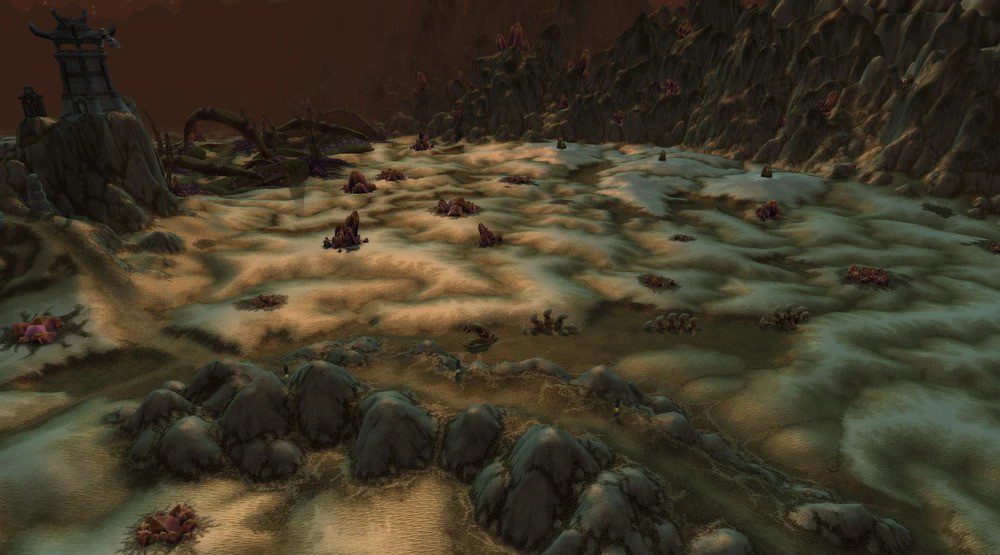
At the far end of the left side of Kalimdor lies the scarred lands of Silithus, where the sands race through both land and air by the rushing winds, broken only by ancient stone, chitinous hives, and the remnants of a forgotten empire. Though often described simply as just a desert, Silithus stands apart from others as a place where the boundaries between past and present gets blurry, and where the land itself bears the weight of countless conflicts. Its silence is not emptiness, but a quiet aftermath shaped by war, magic, and the lasting echoes of forces that once sought dominion over all of Azeroth.
Origins of the Bug Infestation of Silithus
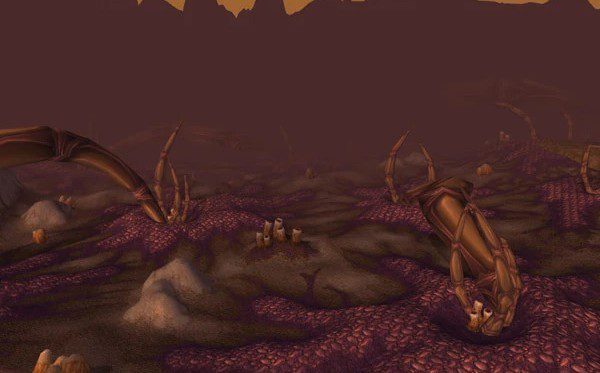
Long before it became the desolate sandy wilds we can see today, Silithus stood as part of a vast and ancient domain tied to the Aqiri empire, whose influence once stretched across all of southern Kalimdor. Deep beneath the desert lies the home to their empire of Ahn’Qiraj, a huge subterranean complex that served as both a stronghold and a prison. Following the War of the Shifting Sands, the Qiraji were sealed behind the Scarab Wall by the combined efforts of the night elves and their draconic allies (the bronze dragonflight), marking the beginning of Silithus’s long vigil. However, despite these efforts, their containment proved to be an imperfect struggle. Over millennia, the silithid (servants of the Qiraji) dug their way outward, establishing vast hive networks that fractured the desert floor and extended their reach into neighboring regions. The big three of these being Hive’Ashi, Hive’Zora, and Hive’Regal. The sands above became the reflection of what lay underneath: an unstable, shifting, and quietly expanding land.
A Landscape of Harsh Extremes
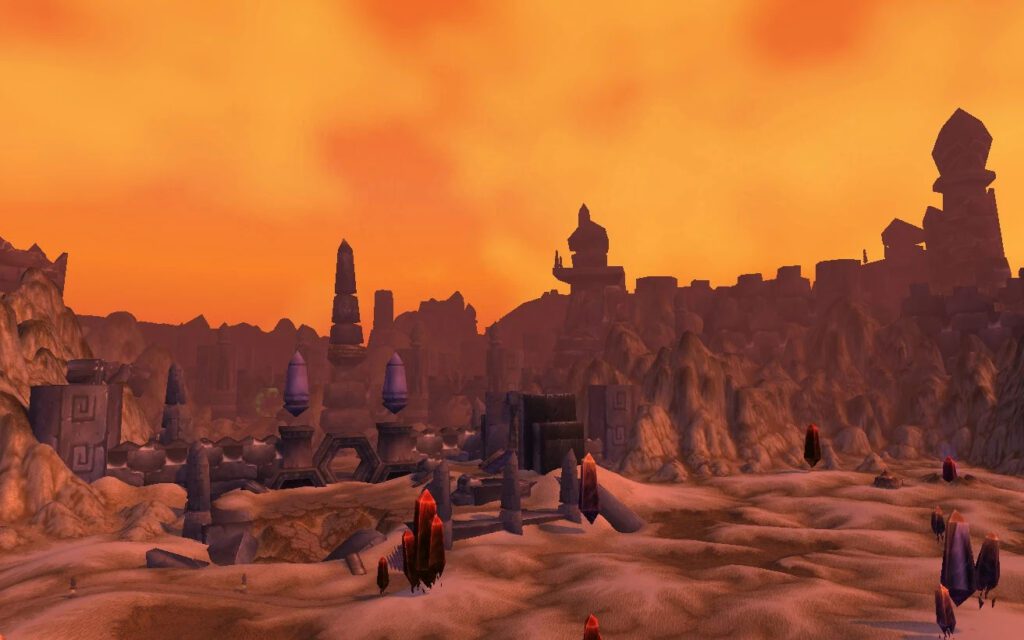
Geographically, Silithus is defined heavily by its contrasts. A big chunk of sand and fractured rock dominate the terrain, interrupted only by the towering silithid hives and the occasional outposts carved from the necessity of survival. The desert’s arid nature limits natural growth, yet pockets of rare resources still persist, hidden within the earth or clinging to life in defiance of the harsh climate.
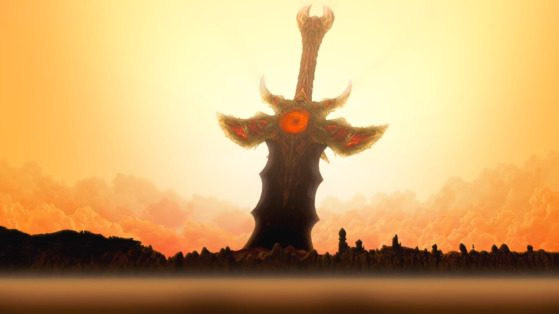
The terrain itself has undergone dramatic transformation after the end of Legion expansion. At its heart now lies the colossal wound left by Sargeras’s blade. This rupture in the land exposed a glowing reservoir of Azeroth’s lifeblood (most creatively called as Azerite), its presence altering the physical and magical properties of the surrounding environment.
Custodians and Conflicts
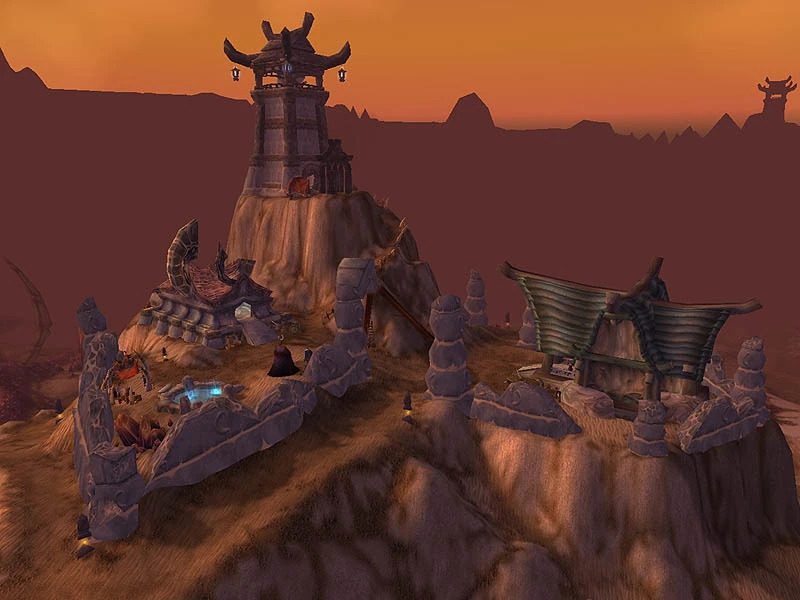
Though mostly inhospitable, Silithus has never been entirely abandoned. The Cenarion Circle maintains a presence at Cenarion Hold, acting as caretakers and observers of the desert’s volatile balance. Their role has shifted greatly over time, from monitoring the local silithid activity, to addressing broader ecological and magical disruptions caused by the recent events.
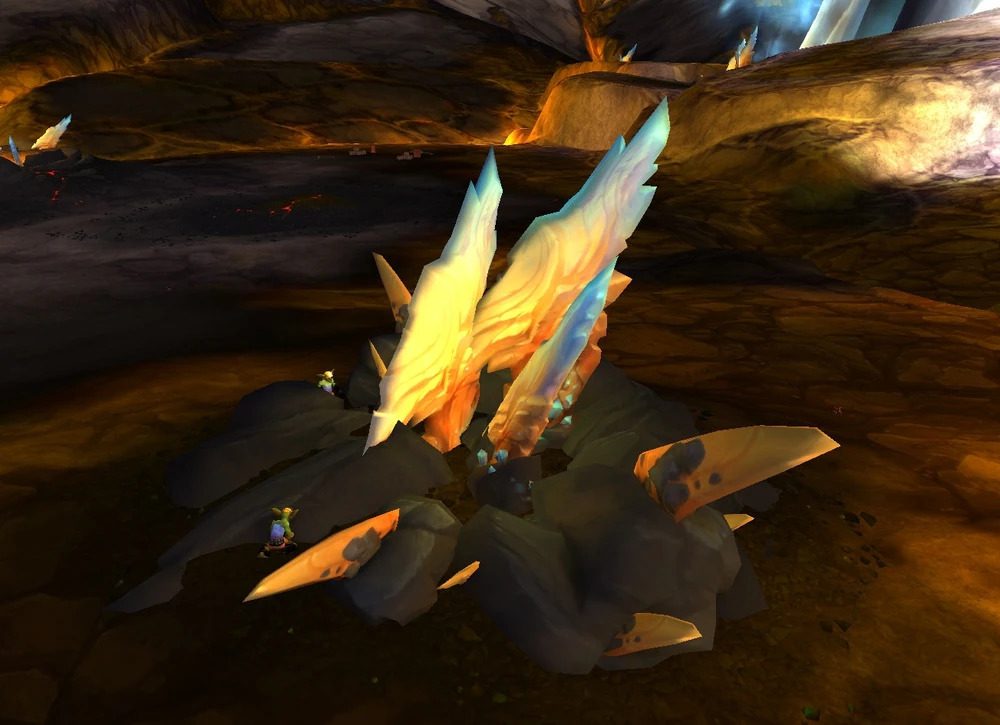
The opening of the Gates of Ahn’Qiraj was a turning point in Silithus’s history. Forces from both the Alliance and Horde united upon the desert to confront the threat beneath it. This conflict reshaped the region’s role within the world, transforming it into a proving ground where cooperation and rivalry briefly came about. Even after the fall of the Qiraji leadership, Silithus remained a contested zone. The discovery of Silithyst, a crystalline substance of strategic importance, drew attention to the region. Its collection introduced a new form of conflict, the control of resources that could influence power beyond the desert’s borders.
Shifting Powers and Lingering Threats
Over time, the dominant threats within Silithus have evolved further. The silithid hives, once the region’s defining danger, were significantly diminished through coordinated efforts. New forces emerged in their place, including the Twilight’s Hammer cult, whose presence signaled a shift from physical infestation to ideological corruption. Unlike the other zones around Azeroth, Silithus experienced minimal physical change during the Cataclysm from the hands of Deathwing. This relative stability, however, masked a deeper transition. The removal of earlier threats did not bring peace, but rather created a power vacuum, one that was quickly filled by new adversaries and unresolved tensions. The desert’s quiet air became deceptive, hiding the persistence of danger in different forms.
The Wound of Azeroth
Maybe the most remembered transformation of Silithus occurred during the Legion expansion. At the end of the Antorus raid, Sargeras plunged his blade into Azeroth, striking both Silithus and the planet at its core. The impact devastated the region, reshaping it into a huge crater centered around a glowing pool of Azerite. This event elevated Silithus from a regional concern to a focal point of global importance. The introduction of Azerite introduced new dynamics of power, drawing the attention of factions and leaders all across Azeroth. The desert became not only a site of ruin, but also a source of unprecedented potential, and with it, conflict. Efforts to heal the wound brought together many unlikely allies. The Cenarion Circle and Earthen Ring joined forces to stabilize the damage, while deeper beneath the surface, hidden chambers and ancient vaults hinted at mysteries unbeknownst to all before this event.
Personal Thoughts on Silithus
First housing the Qiraji and hosting the War of the Shifting Sands, and then years later getting stabbed by the sword of a literal titan, Silithus has seen some of the most important events that happened upon Azeroth (not at the top of the list but certainly in it), and that brings attention to it again and again, despite being all the way at the crack of Kalimdor. This act of bringing attention to older zones is something that maybe every single WoW player would want, because it helps these places rich in history come to surface yet again, and not get left in the dust of yet another island popping up out of nowhere for new expansions, right in the way of most intercontinental ship routes. It brings a much needed change of pace as we have a reason to visit them, while maybe treating it as a vacation too from all the newest content. I gotta say however, even though Legion is one of my favorite expansions and I like most of what came with it, including the plunging of Sargeras’ sword, I (and many others) was pretty annoyed that they decided to not utter a single word about the giant sword sticking out of the world after the expansion. How can you see that thing and not make it the main topic of every single conversation? And please don’t get me started on Magni talking our ears off. I could still hear him even after logging out of the game.
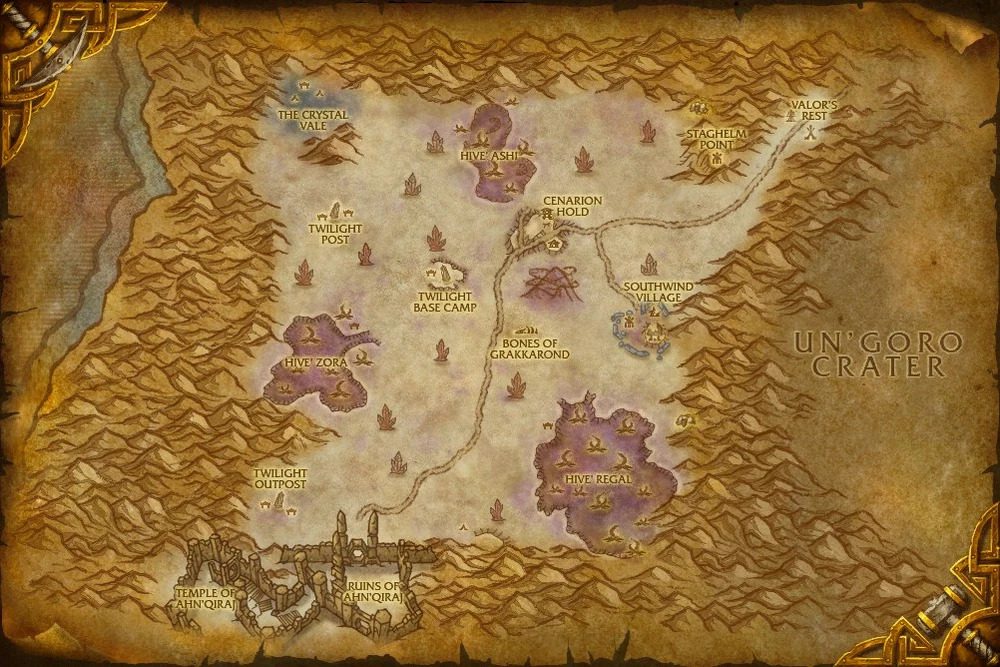
For more technical details and raw info, check Wowpedia. (Classic)
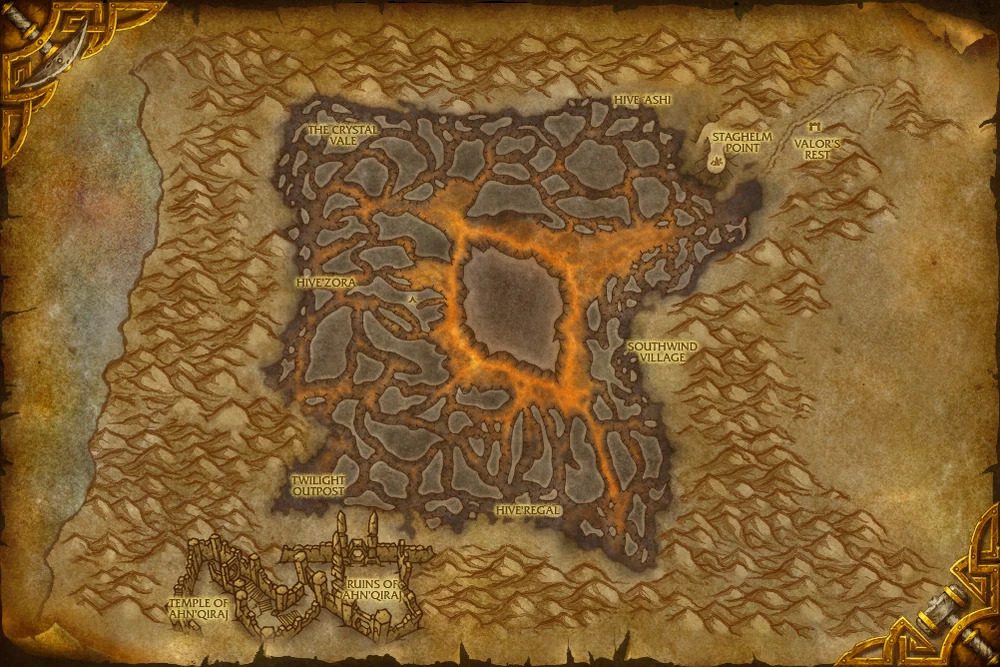
For more technical details and raw info, check Wowpedia. (Retail)