
 World of Warcraft
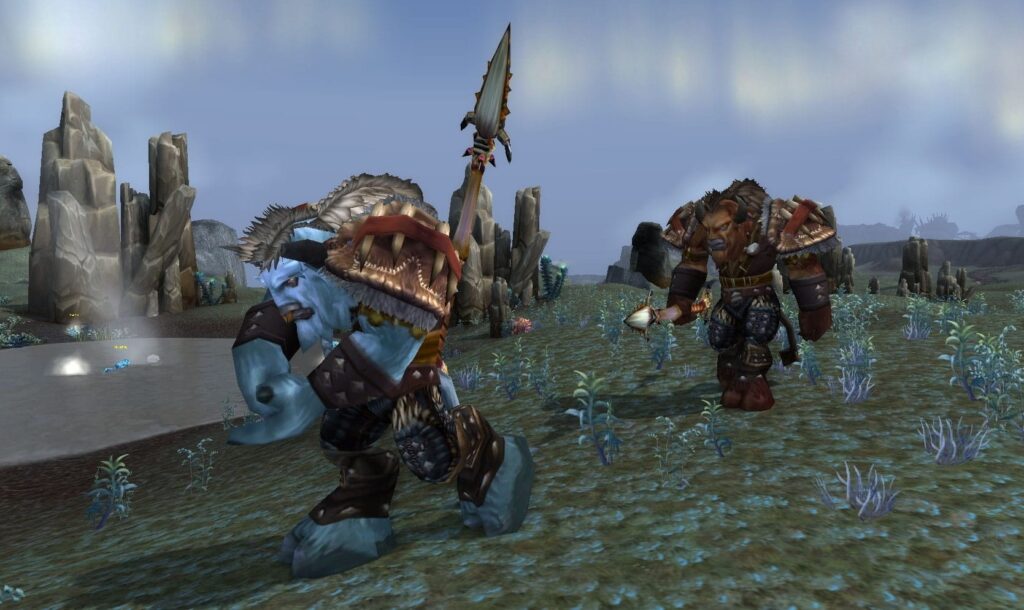
Across the frozen lands of Northrend, where dry winds sweep across the icy plains and mountains, a resilient race endures against a world that rarely shows mercy. Known as the taunka, these beings share their ancestry with the tauren of Kalimdor and the yaungol tribes of Pandaria. Yet centuries spent within Northrend’s merciless wilderness have forged them into something distinct. Something shaped by frost, endurance, and unyielding determination. To many outsiders, the taunka may appear unwelcoming, their large physicality and weathered features reflecting the brutal land that surrounds them. But beneath that hardened exterior is a culture built upon survival, loyalty, and a strong sense of kinship, such traits found in all the descendants of the yaungol. In the coldest reaches of the world, where many civilizations would crumble, the taunka endures, and in doing so, they carve their own place in the long history of Azeroth.
Descendants of an Ancient Lineage
The story of the taunka begins long before their arrival to Northrend. Ages ago, their ancestors were part of a powerful race known as the yaungol, who once roamed the vast lands of central Kalimdor. In that distant time, the yaungol lived in harmony with nature under the guidance of the demigod Cenarius, whose teachings encouraged balance with the natural world. Over time, however, circumstances forced the yaungol to migrate towards the south, where they encountered the formidable Mogu empire. There they endured generations of slavery beneath cruel masters who reshaped them through magical experimentation. Though the yaungol ultimately regained their freedom during the great pandaren uprising that toppled the Mogu rule, the long centuries of oppression shattered their cultural identity.
The liberated tribes eventually divided across the world, each group seeking its own future. Some returned to Kalimdor and renewed their connection with Cenarius, eventually becoming the tauren. Others remained still in Pandaria and developed into the warlike yaungol tribes known today. But one wandering branch traveled all the way to the north, across the continent. Their long migration eventually carried them into the regions near Storm Peaks, where powerful titan-forged machinery lay buried beneath the ice. Exposure to these strange energies slowly transformed them, altering their bodies. Over generations, these northern people became known as the taunka. Though they retained relatively small cultural connections with their southern kin for many years, the Sundering of the world ultimately severed those ties forever.
A People Shaped by Frost
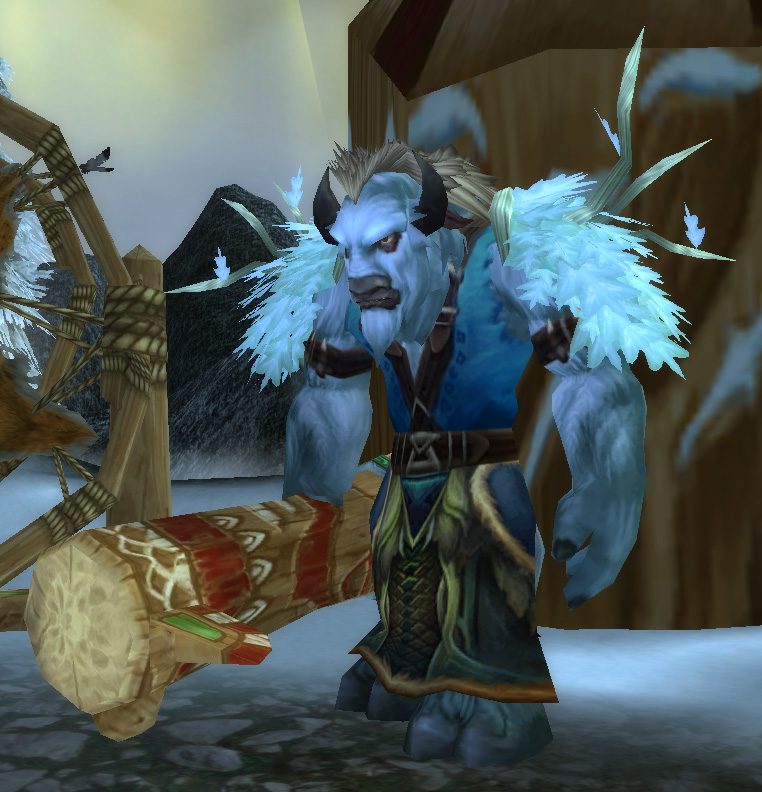
Life in Northrend demanded constant adaptation. Unlike the fertile plains of Kalimdor or the sheltered valleys of Pandaria, the frozen continent offered little to no comfort. Endless winters, roaming predators, and limited resources forced the taunka to evolve both physically and culturally in order to survive. Their bodies grew broader and heavier, their features resembling the powerful bison of the northern tundra more than the cattle-like appearance of their southern cousins. Thick hides allowed them to endure blizzards that would cripple other races. However, the greatest transformation came not in the form of their changed bodies, but in their philosophy toward the natural world. Where the tauren sought harmony with nature, the taunka developed a far harsher relationship with it. Survival in Northrend left little room for gentle ways.
The taunka learned instead to command the elements through the power of sheer will. Storms were not respected but confronted. The frozen earth was not patiently nurtured but compelled to yield its resources. This struggle forged the taunka into a race whose outlook reflected the land itself, unyielding, practical, and fiercely determined.
Traditions of the Northern Tribes
Despite their hardened worldview, the taunka preserved a rich line of customs that strengthened their communal bonds. Life in such a hostile environment demanded cooperation and loyalty among the clans. Their spiritual traditions often drew upon the creatures that shared the frozen landscape. The pelts of black polar bears held particular significance in funeral rites, especially for hunters who had proven their courage by slaying such mighty beasts. Noble birds of prey also carried symbolic meaning, their feathers collected for use in primitive but respected forms of divination. Even practical materials gained cultural importance. The softer feathers under the main layers of the rare spotted hippogryph was treasured by the tribes, used in everything from finely crafted arrows to ceremonial garments worn during important rituals. Skilled artisans crafted watertight containers from carefully treated caribou (large deer found only in Borean Tundra) leather, ensuring the survival of entire camps during harsh winters.
Clan bonds were also central to taunka identity, shaping both relationships and responsibilities. Every member of the tribe played a role within the collective effort to live under Northrend’s unforgiving climate.
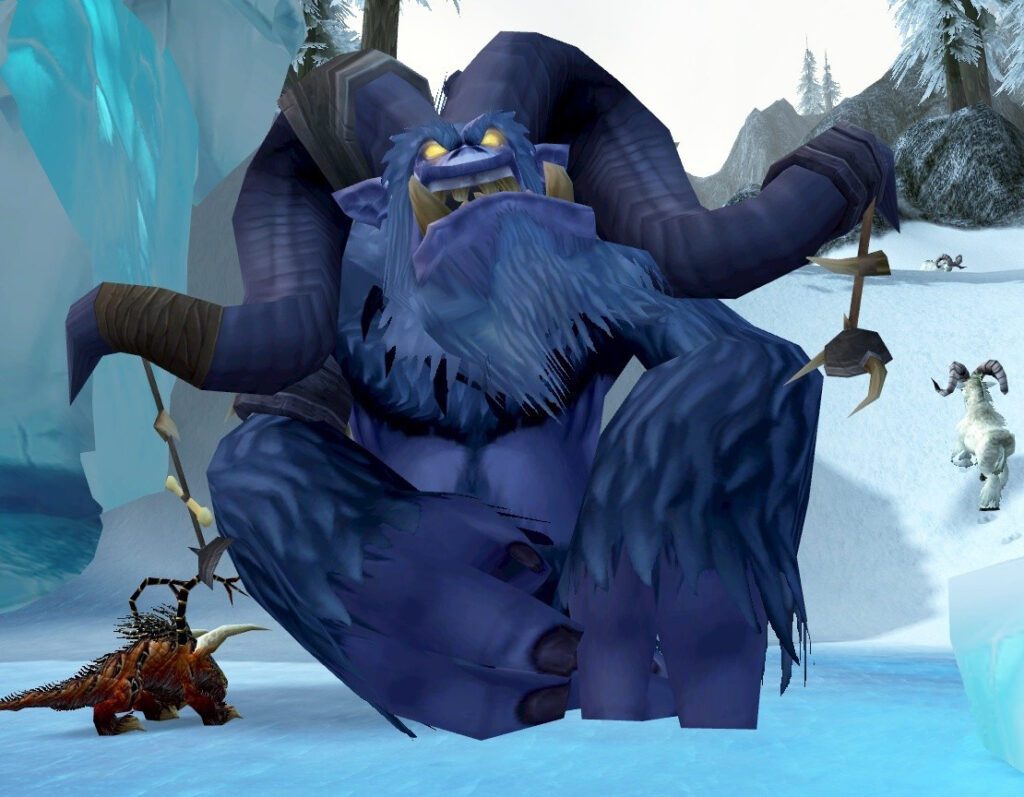
Even their hunts carried ritual significance. In the hills surrounding the settlement of Camp Winterhoof, generations of taunka had pursued the massive yeti that roamed the region. Tradition required hunters to craft a horn instrument from ram horn before the hunt, carving it with sacred symbols. When sounded across the hills, the deep call from the horn was said to echo the mating cry of a female yeti, drawing these creatures into confrontation with the awaiting hunters.
The Madness of Vordrassil
One of the darkest chapters in taunka history happened thousands of years before the First War. During this period, violent conflicts started between the taunka tribes and the forest nymphs who inhabited certain parts of Northrend. The brutality of these battles shocked many onlookers, particularly because the taunka were rarely known for such senseless bloodshed. Concerned by reports of the increasing violence, druids of the Cenarion Circle traveled north to investigate the source of the conflict. What they discovered was far more troubling than some simple territorial dispute.
Deep beneath the roots of the World Tree Andrassil, an ancient evil was moving. The roots of the tree had reached the prison of the Old God Yogg-Saron, allowing its corrupting influence to reach into the surrounding land. Slowly, the old god’s power spread through the forest and its inhabitants, driving them towards madness. To stop the corruption before it consumed all life in the region, the druids made a heavy decision. Andrassil itself had to be destroyed. When the great tree was finally felled, its broken remains became known as Vordrassil, the Broken Crown. Though this destruction ended the spreading madness, the memory of those violent years remained long in the stories of the northern tribes.
War in the Age of the Lich King
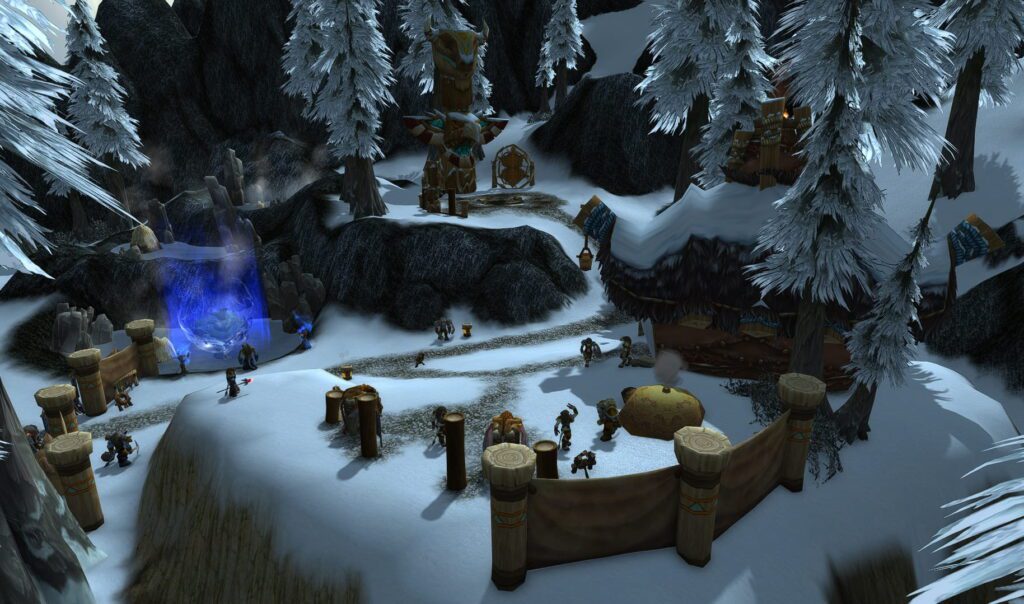
In the more recent times of Azeroth, the taunka faced one of the greatest threats in their long history. The rise of the Lich King brought the Scourge across Northrend, sweeping through the land like death. Entire settlements fell beneath its relentless undead assaults. Taunka’le Village endured constant siege from the nearby Scourge strongholds, while the great settlement of Icemist Village was destroyed entirely. Its ruler, High Chieftain Roanauk Icemist, was captured during the assault, leaving the scattered tribes struggling to survive without their leader.
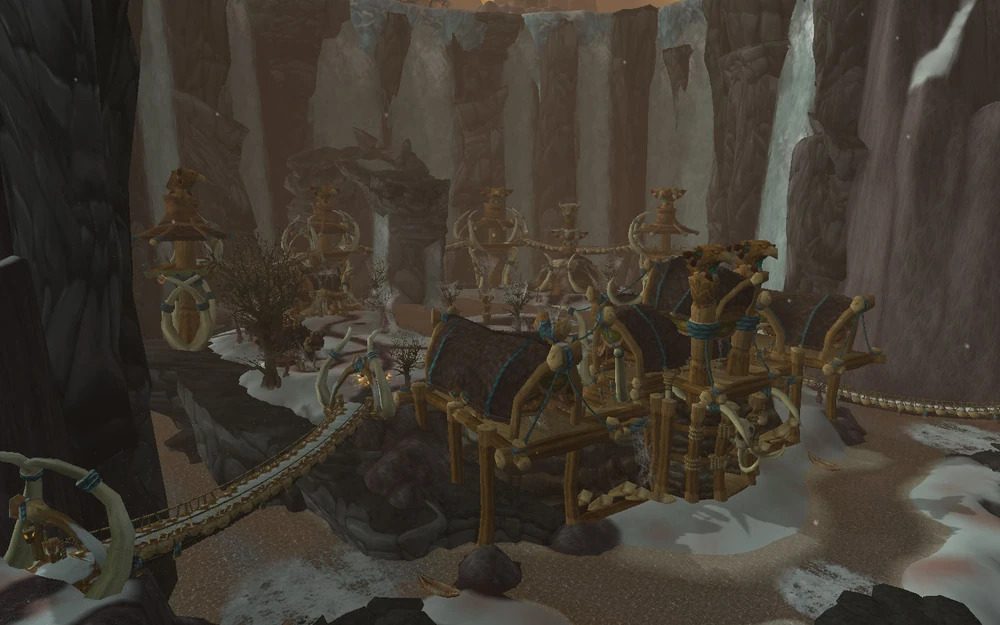
In the middle of this desperate situation, the taunka encountered new allies. The Horde forces that had arrived in Northrend under Garrosh Hellscream recognized a kinship with the northern tribes, both through their shared struggles and the ancient connection between the taunka and the tauren. Through diplomacy and shared battle, a fragile alliance was formed. The taunka approached the Horde with caution, but still holding a sliver of hope, offering their loyalty in exchange for aid against the Scourge. Together they launched an attack in an effort to reclaim what had been lost. Through coordinated assaults by land and sky, Horde forces weakened the undead inside Icemist Village. Among the chaos, a rescue effort led by the chieftain’s son, Banthok Icemist, freed the imprisoned chieftain. When the undead Anub’ar Under-King Anub’et’kan was finally defeated, the surviving taunka withdrew to regroup among their allies in Agmar’s Hammer. In the aftermath of these struggles, the taunka formally pledged loyalty to the Horde, securing a new chapter in their long history.
Personal Thoughts on the Taunka
The taunka remains a good example of the strength that hardship can bring about. From their ancient origins among the wandering yaungol to their transformation in the frozen lands of Northrend, they’ve undergone relentless adaptation and shown great perseverance. Though their ways may differ greatly from those of the tauren, the spirit that unites them remains through shared ancestry. The winds of Northrend continue to test the strength of those who dwell there, yet the taunka endure all the same, as they always did. For that reason, the taunka are a nice counterpart to the tauren in that they represent the strength of their bloodline heavily. While the tauren still do hold that power alongside being more nature-oriented through reverence towards it, the taunka took it by power, just like how the lands they occupy demands it to be. And that is the only way of staying alive in the harsh icy continent of Northrend.