
 World of Warcraft
Across the harsh plains and thorn covered wilds of Kalimdor, there endures a people whose history is bound to the blood of a fallen god. The quilboar (also quillboar and quilboars), as primitive and fierce as any low level area enemies can be, are generally seen by outsiders as savage raiders living in the Barrens area. Yet such a short-lived look captures only the outer layer of a culture shaped by an ancient memory, sacred land, and an inheritance older than perhaps many of Azeroth’s present civilizations.
To understand the quilboar (more than just an enemy to be slain) is to look beyond their jagged spines and high temper. It is a story of survival in unforgiving lands, and a fierce bond to territories grown from the remains of the demigod Agamaggan. From the thorny labyrinth-like halls of Razorfen to the scattered tribes that roam the Barrens and distant lands, their presence remains a reminder that even the most unlikely of enemies can carry within them a history rich enough to catch your attention.
Children of the Fallen Boar
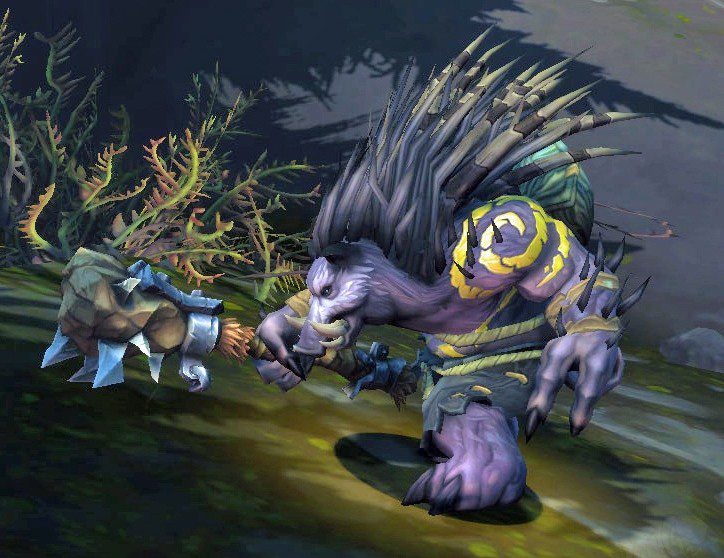
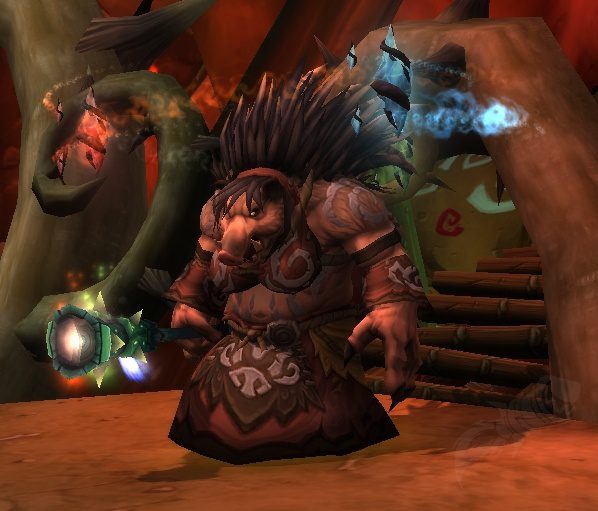
Though small in stature (rarely rising beyond the height of a human child), their bodies possess a certain strength suited to the harsh lands they inhabit. They carry rows of hardened, razor-sharp quills on their hunched backs. In some individuals, these spines extend even along the scalp, forming a crown-like shape that gives them an intimidating silhouette. These natural weapons are more than mere ornaments however. In battle the quilboar wield them with utmost efficiency, striking and slashing with ferocity. Some traditions claim that warriors once learned to loosen their quills, almost like missiles, turning their very bodies into a deadly weapon (like the belief that hedgehogs and porcupines can do).
Among their kind also exists larger and more imposing individuals, almost close in size to the tauren. They are known as quilboar brutes (introduced in Battle for Azeroth. These males undergo rituals intended to draw upon ancestral strength, coming out from the process stronger and more terrifying than their kin. To many tribes, they serve as living embodiments of martial devotion, warriors whose bodies reflect the harsh trials expected of those who defend the tribe’s sacred lands.
Thorn-Bound Society
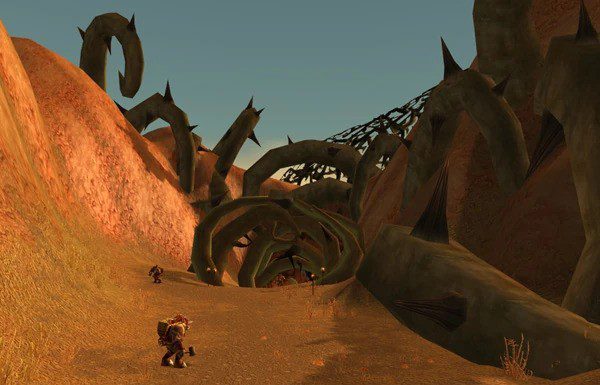
Life among the quilboar is defined by loyalty to tribe and territory. Their settlements rise within dense and massive thorn-covered roots, colossal vines said to have grown from the blood spilled by their ancient forebear demigod Agamaggan. These living fortresses provide both protection and serve as spiritual grounds, for the quilboar believe such places to be holy remnants of their origin. Communities often gather within great these thorn labyrinths where dwellings, ritual spaces, and defensive passages weave together underneath a canopy of thick barbed vines. Razorfen Kraul and Razorfen Downs (both being Classic WoW dungeons in Kalimdor) stand as the most known of these settlements, vast colonies formed from towering vines.
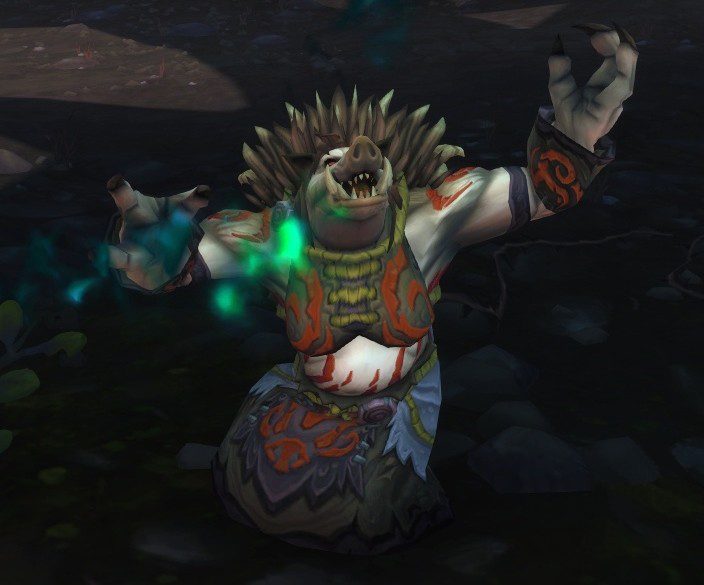
Within these societies, leadership often falls to those who can commune most closely with the spirits. Shamans and geomancers (a form of divination and elementalism) guide their tribes through ritual and prophecy, interpreting signs within the earth. Yet warriors remain deeply honored still, for survival in the Barrens demands defense against both rival tribes and neighboring people.
Water, scarcely found within the dry plains, holds immense significance in quilboar life. Even the smallest spring is treated as a treasure, and the arrival of rainfall may inspire feasts and celebrations across a settlement. In lands where survival depends upon every drop, respect for water becomes both spiritual and practical.
The Sacred Legacy of Agamaggan
At the heart of quilboar belief lies the memory of Agamaggan, the colossal boar demigod whose sacrifice shaped both their mythology and their homeland. In ancient times, when the Burning Legion sought to conquer Azeroth during the War of the Ancients, Agamaggan rose to challenge these invaders. Though the great beast ultimately fell in battle, his defiance helped keep in place the demonic advance and gave Azeroth’s defenders precious time. Where the demigod’s blood touched the earth, strange growth began. Massive thorny vines erupted from the soil, spreading across the regions of central Kalimdor. These harsh labyrinths would become the birthplace of the quilboar civilization. Many tribes believe themselves to be the mortal descendants of this fallen god, born to guard the land that came to be from his sacrifice.
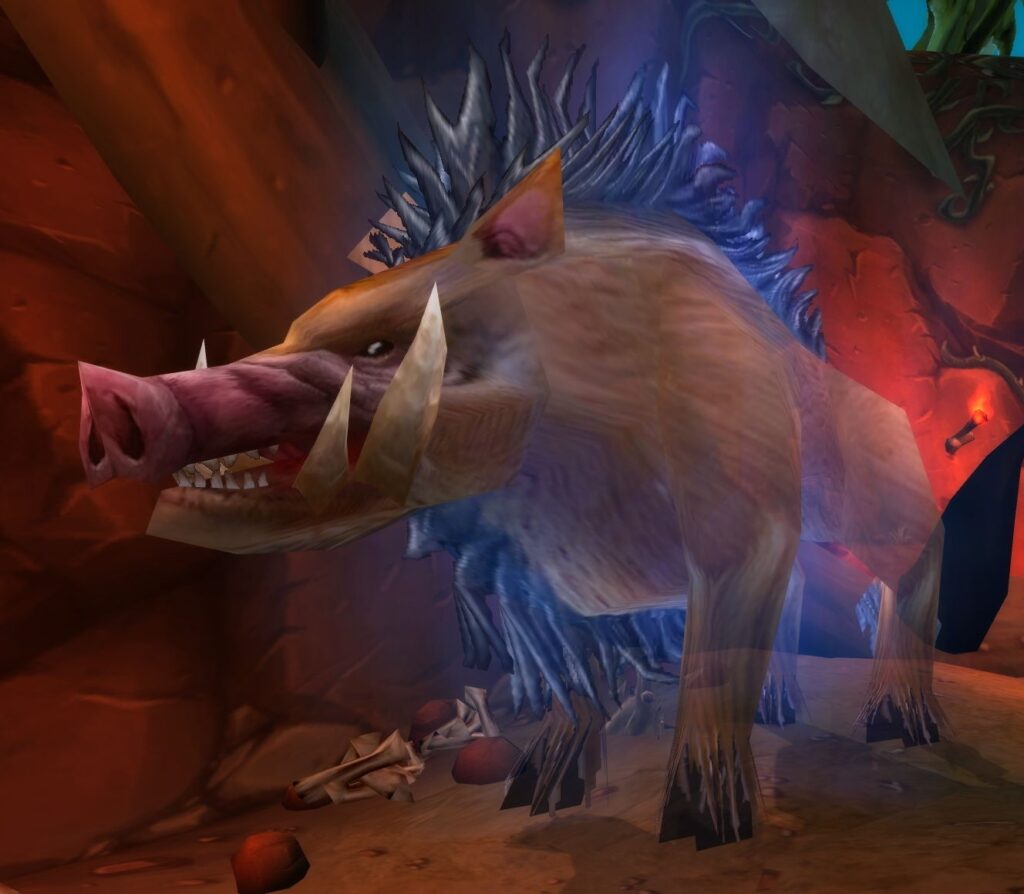
From this belief comes the spiritual authority of the tribe’s prophets, shamans known as voices of Agamaggan. Through ritual and geomancy they seek guidance within stones, crystals, and the earth itself. Blood-red shards scattered across the Barrens are said to contain fragments of their ancestor’s essence, and tribes such as the Bristleback have long since mined these relics for use in sacred rites. Within such ceremonies, shamans sometimes call forth spectral boars, manifestations of ancestral strength that fight beside their summoners (much like playable shamans calling spirit wolves).
Wars of the Barrens
For centuries the quilboar lived generously within Kalimdor’s central plains, clashing frequently with neighboring races who sought to settle in the same harsh territory. The tauren, whose own traditions respect the balance and harmony with nature, found themselves repeatedly drawn into conflict with quilboar tribes guarding sacred thorn territories. The centaur, ever violent and expansionist, proved equally fierce foes. Despite such hostile encounters, moments of cooperation occasionally emerged. In Desolace, traders from these three rival races once gathered at Flayers’ Point, where trade briefly overcame hatred. Even there, however, tensions rarely remained contained for long, and violence was known to erupt left and right.
The arrival of the Horde upon Kalimdor during the Third War added yet another rival power to the region. Orcs and their allies soon found themselves in skirmishes with the quilboar tribes defending the Barrens. Though the Horde rarely sought outright extermination of the quilboar, their expanding settlements inevitably brought forth further conflict.
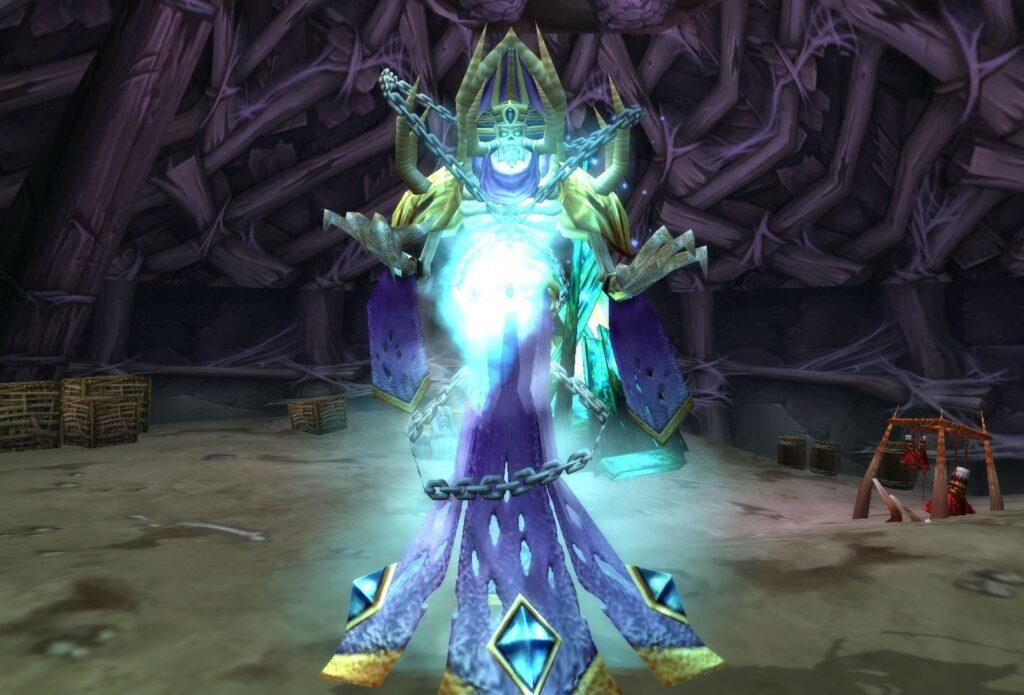
In time, certain tribes forged darker alliances. The Razorfen tribe, dwelling within Razorfen Downs, allowed the Scourge to take root within their halls. Under the rule of necromancer Amnennar the Coldbringer, the settlement became a place of undeath, where fallen quilboar rose again as twisted servants of dark powers.
A Scattered but Enduring People
Even as wars reshaped Kalimdor (most notably in Cataclysm), the quilboar somehow endured. Their tribes spread across the Barrens, Mulgore, and Durotar, defending the thorn sanctuaries that remained. Some settlements rose and fell with various conflicts, yet the cultural heart of this race continued to beat within the Razorfen.
Events such as the Cataclysm brought further uprising. In the chaos that followed the world’s sundering, some quilboar leaders urged their followers into new assaults into neighboring lands. Charlga Razorflank (last boss of the Razorfen Kraul dungeon), a powerful and manipulative leader, spread the belief that blood sacrifices were required to restore Agamaggan to life. Under her influence, many tribes launched attacks against both Horde outposts and rival races.
The quilboar presence was also never just in Kalimdor alone. In Kul Tiras and remote islands like Exile’s Reach (Shadowlands era alternate starting zone), small tribes emerged under different circumstances. Some served greater powers, others pursued their own rituals in isolation, but all carried with them the same respect for thorn, blood, and ancestral spirit.
Personal Thoughts on the Quilboar
A combination of pig, porcupine, and probably some other animals I can’t see the resemblance in, the quilboar has been another famous enemy faction in World of Warcraft. Seeing them in most of Kalimdor is a nice repetitive use of an enemy race for me because it shows that they’re not just a baddie to slay 10-20 of and then forget about with the completion of a quest. Razorfen dungeons, the heart of their culture, are also surely in everyone’s memory. Even if you were assembling a group for proper leveling or just queuing in the dungeon finder and doing whatever came in front of you, they were a reminder that quilboar wasn’t just “existing”, but they were a part of the land.
From the bat-ridden area of the Kraul and Charlga as the last boss, to the metalhead Mordresh Fire Eye and necromancer Amnennar inside the Downs, you are certainly going to happen upon the story of them sooner or later. And that is good story writing for me. Not just some npcs talking slowly while you’re waiting for your next dungeon to queue, but visual storytelling that carries you through it.